Improving Clay Soil: Organic Amendments That Work
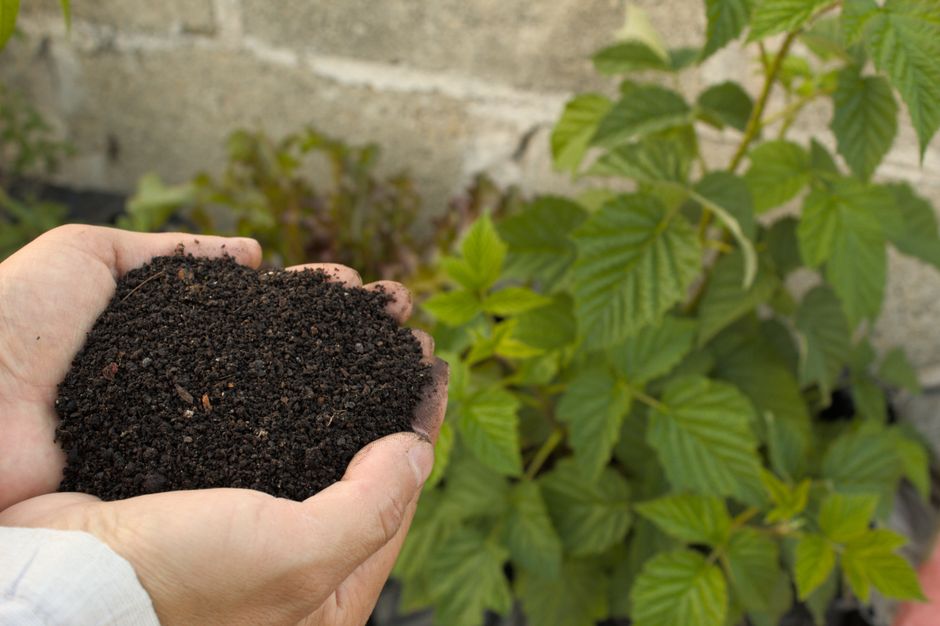
Clay soil can present unique challenges for gardeners and landscapers. Its dense, compacted nature often leads to poor drainage, limited root penetration, and reduced nutrient availability. However, with the right organic amendments and appropriate management practices, it is possible to transform heavy clay into a more workable and productive growing medium. This article explores the properties of clay soil, the benefits of organic amendments, and practical approaches to aeration and drainage.
Understanding the composition of clay soil is essential for effective improvement. Clay particles are extremely small and pack tightly together, leaving little pore space for air and water. This results in soil that is sticky when wet and hard when dry. By incorporating organic matter and implementing strategic techniques, gardeners can gradually improve soil structure, enhance microbial activity, and create a more balanced environment for plant roots. The process requires patience and a consistent approach, as changes occur over several seasons.
The Role of Organic Matter in Clay Soil
Organic matter is a cornerstone of soil improvement. When added to clay soil, it helps to separate clay particles, creating larger aggregates and increasing pore space. This improves aeration and water infiltration, making it easier for roots to grow and access nutrients. Additionally, organic matter serves as a food source for beneficial soil organisms, which further contribute to soil structure through their activity.
Common organic amendments include compost, aged manure, leaf mold, and green manures. Each type brings distinct benefits. Compost, for instance, is rich in humus and nutrients, while leaf mold is excellent for increasing water retention. Aged manure adds nitrogen and other essential elements, but it must be well-rotted to avoid burning plants. Green manures, such as clover or buckwheat, are planted and then turned into the soil to add organic material and improve structure.
When applying organic matter, it is important to consider the quantity and frequency. A thick layer, typically 2 to 3 inches, spread over the soil surface and incorporated into the top 6 to 8 inches, can be effective. However, excessive application may lead to nutrient imbalances or waterlogging. Regular additions over time are more beneficial than a single heavy application. The gradual decomposition of organic matter continually improves soil tilth and fertility.
It is also crucial to choose organic amendments that are appropriate for the local climate and soil conditions. For example, in arid regions, materials with higher water-holding capacity may be preferred, while in wet areas, coarser amendments that enhance drainage might be more suitable. Testing soil pH and nutrient levels can guide the selection and amount of amendments needed.
Aeration Techniques for Compacted Clay
Clay soil often becomes compacted, restricting root growth and water movement. Aeration is a process that creates channels in the soil to improve air and water exchange. Core aeration, which involves removing small plugs of soil, is a common method for lawns and large areas. For garden beds, manual or mechanical aerators can be used to loosen the top few inches of soil.
Incorporating coarse materials like sand or perlite may seem like a logical solution, but caution is advised. Mixing sand into clay can sometimes exacerbate compaction, creating a concrete-like substance. Instead, the focus should be on organic materials that improve aggregation. Gypsum, a calcium sulfate compound, can help flocculate clay particles, improving structure without altering pH, but its effectiveness depends on soil conditions.
Another approach is to use raised beds or mounds to improve drainage and aeration. By elevating the growing area, soil compaction is reduced, and excess water can drain more easily. Adding organic matter to the raised bed mix also contributes to a better root environment.
Regular cultivation, such as double digging or using a garden fork to loosen soil, can be beneficial, but it should be done with care to avoid damaging soil structure. Over-tilling can break down aggregates, leading to further compaction. The goal is to encourage natural soil aggregation through biological activity and minimal disturbance.
Enhancing Drainage in Clay Soil
Poor drainage is a hallmark of clay soil, often leading to waterlogged conditions that stress plants and promote root diseases. Improving drainage involves both modifying the soil’s physical properties and, in some cases, installing drainage systems. Organic matter plays a key role in enhancing drainage by increasing pore space and promoting the formation of stable aggregates.
In areas with severe drainage issues, subsurface drainage tiles or French drains may be necessary. These systems collect excess water and redirect it away from the root zone. However, such installations require careful planning and are often best handled by professionals. For most gardeners, incorporating organic amendments and using planting techniques like raised beds can provide adequate drainage.
Mulching the surface with organic materials, such as straw or wood chips, helps regulate soil moisture and temperature, reducing the risk of waterlogging. Mulch also prevents soil crusting, which can impede water infiltration. Over time, as organic matter decomposes, it improves the soil’s structure and drainage capacity.
It is also important to consider the grading of the landscape. Ensuring that surface water flows away from planting areas can prevent excess water from accumulating. This might involve reshaping the soil or creating channels that direct runoff. Combining these approaches with organic amendments can significantly improve the growing conditions in clay soil.
Long-Term Strategies for Sustainable Soil Health
Improving clay soil is not a one-time task but an ongoing process. Long-term strategies focus on maintaining soil health through continuous organic additions and careful management. One effective approach is to practice crop rotation or grow cover crops, which add organic matter and help prevent compaction.
Cover crops, such as winter rye or hairy vetch, are planted in the off-season and then incorporated into the soil. Their roots penetrate clay, creating channels for air and water, and their biomass adds valuable organic material. This practice also helps to suppress weeds and reduce erosion.
Regularly testing soil and adjusting pH and nutrient levels is crucial for optimal plant growth. Many clay soils are alkaline, so adding sulfur or other acidifying agents may be necessary depending on the plants being grown. However, amendments should be based on soil test results to avoid over-application.
Minimizing soil disturbance is another key principle. No-till gardening or reduced tillage helps preserve soil structure and the organisms that contribute to its health. By allowing organic matter to accumulate and organisms to thrive, clay soil can gradually become more friable and fertile.
The transformation of clay soil into fertile ground requires a combination of knowledge, patience, and consistent effort. By understanding the unique properties of clay and applying organic amendments thoughtfully, gardeners can create a more hospitable environment for plants. While results may take time and outcomes depend on various factors, the long-term benefits of improved soil structure and health are well worth the investment.