Natural Pest Control: Companion Planting Strategies

Gardening often involves a constant negotiation with the natural world, where insects and other organisms play a significant role. While chemical pesticides have been a conventional response, a growing interest in ecological balance has brought attention to methods that work with nature rather than against it. Companion planting, an age-old practice, offers a strategy for pest management by leveraging the relationships between different plant species. This approach is not about quick fixes but about fostering a resilient garden ecosystem through thoughtful plant selection and arrangement.
In this article, we explore the principles of companion planting as a natural pest control method. We will examine how certain plants can mask, repel, or distract pests, and how these interactions can be integrated into a broader garden management plan. The goal is to provide a framework for understanding and applying this technique, emphasizing context, observation, and adaptation over guaranteed outcomes.
Understanding Companion Planting and Its Role in Pest Management
Companion planting involves growing different plant species in proximity for mutual benefit. While the mechanisms are not fully understood, the practice is based on the idea that certain combinations can enhance growth, flavor, or resistance to pests. In the context of pest management, the primary objectives are to reduce pest damage and decrease the reliance on synthetic chemicals. This is achieved through various ecological interactions, such as altering the pest’s ability to locate a host plant, attracting natural enemies, or creating physical barriers.
One of the key principles is the concept of masking. Many pests locate their host plants through chemical cues. By intermixing plants with strong aromatic foliage or flowers, these cues can be masked, making it harder for pests to find their target. For instance, the presence of strongly scented herbs like basil or rosemary among vegetables can confuse pests that would otherwise be drawn to the crop. This method does not eliminate pests but can reduce their impact by making the environment less favorable for their establishment.
Another important role is the attraction of beneficial insects. Certain plants, particularly those in the daisy family or with small flowers like dill and yarrow, serve as nectar sources for predatory wasps, ladybugs, and hoverflies. These beneficial insects are natural enemies of common pests like aphids and caterpillars. By providing habitat and food, companion planting can support a population of predators that help keep pest numbers in check. This approach works indirectly, supporting the overall garden ecosystem rather than targeting a specific pest directly.
Companion planting is not a one-time fix but a continuous practice of observation and adjustment. The interactions between plants are context-dependent and influenced by many variables.
Selecting Pest-Repellent Plants and Beneficial Pairings
When choosing plants for natural pest control, it is helpful to consider the specific pests that are common in your region and the plants they tend to attack. A strategic selection of companion plants can be tailored to address these challenges. For example, alliums such as onions, garlic, and chives are known to deter aphids, carrot flies, and other insects with their pungent sulfur compounds. Interplanting these among susceptible crops like carrots or roses can be an effective part of a pest management plan.
Herbs with strong essential oils, including rosemary, thyme, sage, and mint, are often used to repel pests like cabbage moths, flea beetles, and ants. These herbs can be grown as borders or interspersed throughout vegetable beds. However, it is important to note that the effectiveness of these plants is variable and depends on factors such as soil health, climate, and the specific pest species present. Therefore, they should be seen as one component of a broader strategy rather than a standalone solution.
- Nasturtiums act as a trap crop, attracting aphids away from other plants.
- Marigolds are believed to repel nematodes with their root exudates, though research is ongoing.
- Borage attracts pollinators and beneficial wasps, and is often planted near tomatoes.
- Basil may repel flies and mosquitoes, and is commonly paired with tomatoes.
The idea of trap cropping is another interesting aspect. Certain plants are more attractive to pests than the main crop. By luring pests to these trap plants, you can protect the valuable crop from damage. For instance, nasturtiums are a favorite of aphids. When planted nearby, they can draw aphids away from other garden plants. This method requires careful monitoring, as the trap plants may need to be removed or treated if pest populations become too high.
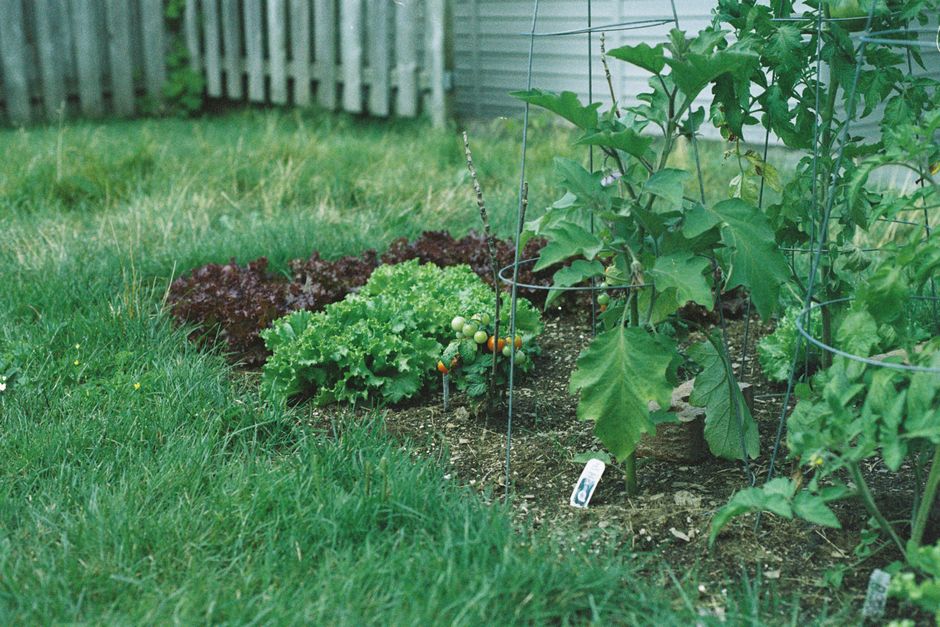
It is also worth considering the spatial arrangement. Interplanting can simply mean mixing different species in the same bed, but row intercropping, borders, or even container gardens can be used. The key is to create diversity that disrupts pest behavior. A monoculture, where a single crop is grown over a large area, is often more susceptible to pest outbreaks, whereas a polyculture with varied plant heights, textures, and scents can be less appealing to pests.
Integrating Companion Planting into a Broader Pest Management Plan
Companion planting is most effective when it is part of an integrated pest management (IPM) approach. IPM is a systematic process that combines biological, cultural, physical, and chemical tools to minimize economic, health, and environmental risks. Within this framework, companion planting serves as a cultural control method, altering the environment to make it less conducive to pest development.
Cultural controls are proactive measures that reduce the likelihood of pest problems. Crop rotation, proper sanitation, and choosing pest-resistant varieties are other examples. Companion planting complements these strategies by enhancing biodiversity and promoting natural enemies. When used together, these methods can create a more comprehensive system that is less reliant on any single intervention.
Monitoring is a critical component of IPM. Regular inspection of plants helps to identify pest populations at an early stage and allows for informed decisions. The timing of plantings can also be adjusted to avoid peak pest seasons. For instance, planting certain crops earlier or later than usual may help to evade pests that are abundant at specific times of the year. These are all considerations that go beyond just the choice of companion plants.
The effectiveness of companion planting can be influenced by many factors, including the specific pest species, the health and vigor of the plants, and the surrounding landscape. It is important to observe your garden and adapt your strategies based on what you see. What works in one season may not work in the next, and what works in one garden may not work in another. The practice is inherently experimental and site-specific.
Practical Considerations and Limitations
While companion planting offers a promising avenue for natural pest control, it is not a panacea. The scientific evidence for many companion planting claims is limited, and results can be inconsistent. Understanding the limitations helps in setting realistic expectations. Companion planting should be viewed as a tool that can contribute to a broader pest management plan, but it may not provide complete protection on its own.
One factor to consider is the potential for competition between plants. When interplanting, plants may compete for water, nutrients, and light. If not managed carefully, this competition could reduce yields. Proper spacing and choosing compatible plant combinations can mitigate this, but it is necessary to strike a balance between the benefits of pest control and the potential negative effects on crop growth.
Another consideration is the management of trap crops. While trap plants can divert pests, they may also serve as reservoirs, allowing pest populations to build up. If not monitored and handled appropriately, trap crops could eventually become a source of infestation for the main crop. Therefore, implementing a trap crop strategy requires a commitment to regular checks and possible removal or destruction of the trap plants when they become heavily infested.
The success of companion planting is also influenced by broader ecosystem factors. The presence of nearby wildflowers or hedgerows can support beneficial insects, while the surrounding landscape may influence pest pressure. Recent research in agroecology suggests that landscape context plays a significant role in the effectiveness of natural pest control strategies. Therefore, considering the wider environment is important.
Conclusion
Companion planting represents a thoughtful approach to pest management that aligns with principles of ecological sustainability. By understanding the interactions between plants and insects, gardeners can make informed decisions that enhance the health and resilience of their gardens. This method involves not only the selection of specific plant combinations but also a commitment to observation, adaptation, and integration with other practices.
The strategies discussed in this article provide a starting point for exploring natural pest control without chemicals. However, it is essential to recognize that outcomes are contextual and depend on a myriad of factors. As with any gardening practice, patience and flexibility are key. Over time, one can develop a deeper understanding of the local ecosystem and find a balance that works for the specific microclimate.
For those interested in delving further into this topic, consulting with local extension services or experienced gardeners in your region can offer insights tailored to your area. Each garden is unique, and the knowledge gained through experience is invaluable. Embracing companion planting as part of a comprehensive approach to gardening can contribute to a more sustainable and harmonious cultivation environment.